Full-Grain Leather: What the Label Means for Leather Bags, Wallets and Belts, and What to Ask Before You Buy
What does full-grain mean?
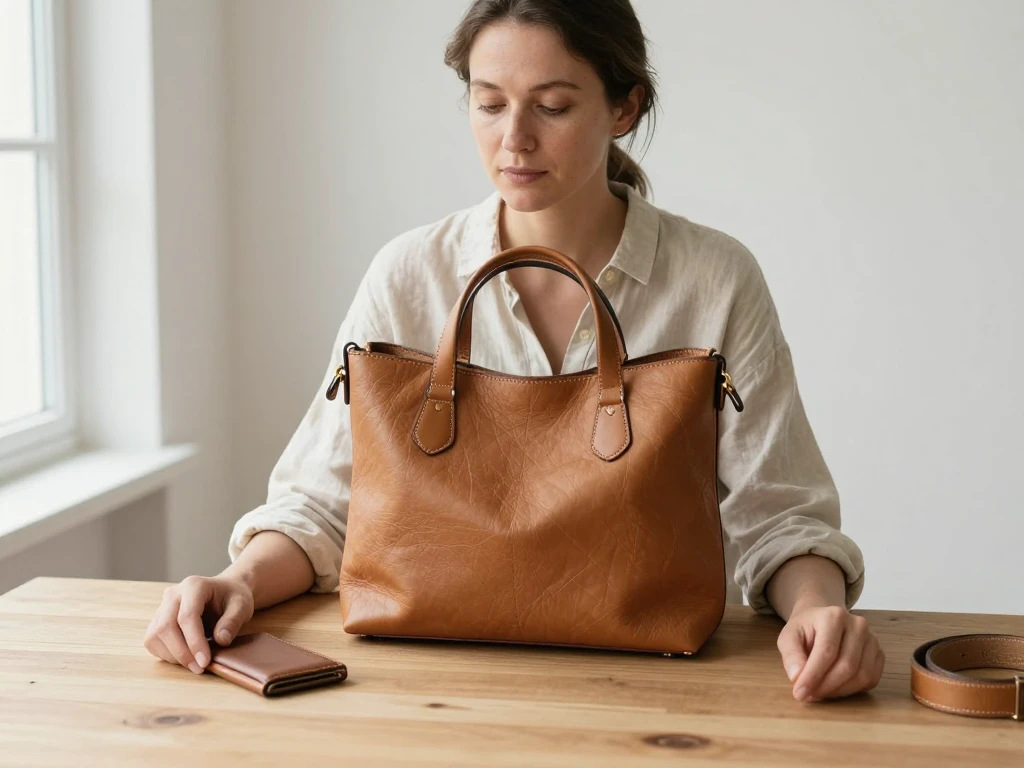
When you compare full-grain leather bags, wallets, belts and boots, 'full grain' is often used as a selling point. The label describes something specific: which part of the animal hide the leather comes from, and how much of that skin has been preserved. A full-grain leather hide keeps its natural grain patterns apparent, including irregularities, markings and hair follicles, rather than having them smoothed away. Because the grain carries the densest fibres in the hide, this is why full-grain leather is valued for durable leather goods — but the label does not tell you the quality of the finish on top. [1]
The clearest comparison is between full grain leather and top grain leather. Full grain leather keeps the hide's top layer intact; top grain leather comes from the same part of the hide with that top layer removed. Some people treat top grain leather as a separate grade, but top grain leather is not full grain leather: top grain leather has had the outer layer removed, while full grain leather has not. Sanding or buffing a hide changes the leather grain, and once that happens, a hide that was full grain leather can no longer be described as full grain leather. [1]
The outer layer of a full-grain leather hide matters for more than looks. Its physical properties include the highest concentration of fibres in the leather hide, which is why the quality of the leather is valued for strong, durable full-grain leather bags, wallets and belts. Most leather hides come from cattle, but other animal hides, including lamb, can take aniline or semi-aniline finishes. The finishing process also changes the texture of the final leather, making it feel smooth or more textured depending on how much coating is applied. [1]
The label also has limits. Because the grain is preserved, expect noticeable character: small scars, creases, irregularities and hair follicles remain part of the skin rather than faults. Every full-grain leather item carries its own markings, so no two items are identical and each can feel unique. The term only describes the grain; the finish applied on top is a separate decision that changes both appearance and maintenance. [1]
One grain, many finishes: aniline, semi-aniline and crust
The reason 'full grain' does not tell the whole story is that one full-grain leather foundation can be finished in very different ways. Two full-grain leather products may share the same grain yet have completely different properties, because the finish controls how much colour and coating is applied on top. That is why 'grain' and 'finish' are not the same thing and why the quality of a leather item cannot be judged from the label alone: full-grain leather describes the hide, while the finish describes the surface. [1]
A common full-grain leather finish is aniline: a dye that lets the natural skin of the hide show through. This full-grain leather option keeps grain patterns, irregularities and hair follicles apparent because only a small amount of colour is applied. Full-grain leather with less colour on top generally feels softer than full grain leather carrying a heavier pigment coat. [1]
A semi-aniline finish starts from the same idea but adds a fine pigmented coating over the full-grain surface, which improves durability while keeping grain and hair follicles partially visible. Full-grain leathers with this finish have a smooth, even texture compared with aniline. Crust leather, by contrast, is a finish used on full-grain leathers: no finish or coating at all, no colour applied, and every follicle exposed. [1]
The practical upshot is that identical leather grain can produce very different full-grain leather goods. An aniline leather wallet leaves scars, irregularities and follicles visible; a semi-aniline leather bag offers a smooth, protected finish; a crust leather belt has no protective finish at all. When you choose between full grain leather options, decide first how much natural character you want to see and how much durability you need. For any full-grain leather bag, wallet or belt, the practical difference is the finish: it determines what you see and how you maintain it. [1]
Why care follows the finish, not the grain label
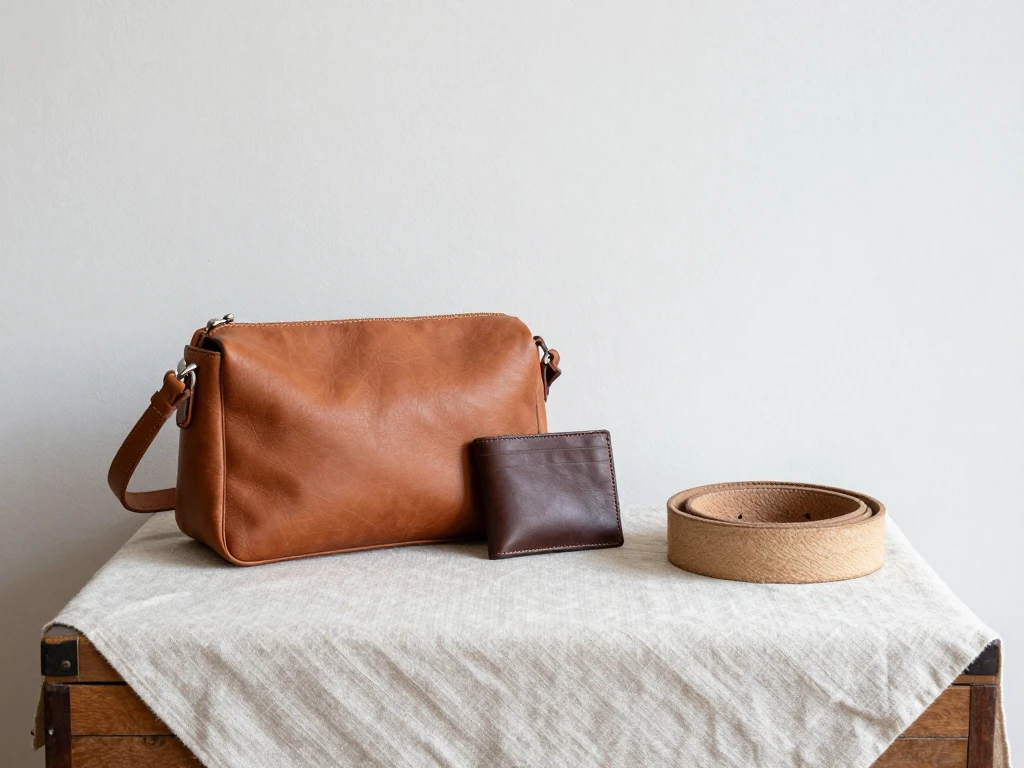
Leather UK's collected guidance starts with the same practical point: identify the type of full-grain leather you own before cleaning it, because not all full-grain leather is finished the same way and not all leather types behave alike. A product that suits one full grain leather finish can cause expensive damage on another full-grain leather product. Household products and internet remedies are called out as risky, and anyone in doubt is directed to a leather specialist. [3]
Brand-level instructions show why a single routine is not enough. Jekyll & Hide's care guide for its full-grain leather goods advises dusting with a soft dry cloth, cleaning with a barely damp cloth and a little mild soap, drying naturally away from heat, and conditioning every three to six months with a high-quality leather conditioner such as beeswax or lanolin-based products. It also recommends regular conditioning to keep the leather supple and enhance the natural patina, and warns that chemical cleaners, alcohol wipes and household detergents can strip natural oils. The guide applies only to the brand's full-grain leather, vegetable-tanned products. [2]
That routine is right for that full-grain leather finish, but it is not universal for every full-grain leather product. Elsewhere on the same Leather UK page, specialists warn that traditional wax and oil conditioners are counterproductive on modern chrome-tanned leather with a surface coating: the oils cannot reach the leather through the coating, so they sit on top and attract dirt. One finished-leather maker, Muirhead, goes further, advising owners of its leather products to avoid hide foods, saddle soaps and waxes altogether. [3]
The care routine must match the finished leather product rather than the full-grain leather label alone. If you own or are buying a full-grain leather piece, ask what leather finish it carries, follow the maker's instructions for that full-grain leather item, and if you are unsure, contact a leather specialist rather than experimenting. [3] [2]
A few general rules hold for most leather products, whatever their finish. All leather fades in UV light to a greater or lesser extent, so keep it out of direct sunlight where possible. High temperatures and humidity can encourage mould in the leather fibres, and direct heat sources such as radiators are best avoided. Leather clothing and shoes need the same protection from light and heat. Full-grain leather and coated leathers share the same basic properties. In practice, a full-grain leather bag, wallet or belt is a leather product whose care routine depends on its finish. [3]
Wet full-grain leather needs the same patience. The guidance is to blot excess water with a dry cloth and let the leather item dry naturally at room temperature, never with a hairdryer, on a radiator or in direct sunlight, because forced heat makes leather stiffen and crack. Once fully dry, a suitable high-quality leather conditioner can help restore suppleness. [2]
Storage advice for full-grain leather goods is consistent across the sources: keep bags upright and stuffed with tissue paper to maintain their shape, use a cloth dust bag, and avoid plastic bags, which trap moisture and can cause mildew. Direct sunlight should also be avoided for long-term storage. [3] [2]
When stains or damage happen, the leather finish again decides the response. Some full-grain leather items with an aniline finish need specialist leather products and knowledge to restore, and serious damage to suede or nubuck should always go to a specialist. Finished leathers, in contrast, can often be recoloured and repaired, and dealing quickly with marks such as ink makes removal far easier. [3]
Full-grain buying checklist: questions to ask before you choose
Before you choose a full-grain leather bag, wallet or belt, run through these questions. Start with the finish: ask 'Is this leather full grain, and how is it finished?' Aniline shows the most natural character, with grain, imperfections, irregularities and hair follicles visible; semi-aniline adds a pigmented coating for durability; crust has no finish or colour applied. [1]
Has the leather surface been sanded or buffed? A full grain leather hide that has been sanded or buffed is no longer considered full grain leather. If a seller talks about smoothing or correcting the leather surface, ask exactly what was done before taking the full-grain leather claim at face value. [1]
What does the maker say about care? Ask for the maker's instructions for the specific full-grain leather item rather than relying on a generic routine. Identify the type of full-grain leather before using any cleaner or conditioner, test new products on a hidden area, and if in doubt seek advice from a leather specialist. Care written for one brand's vegetable-tanned leather may be wrong for a coated or chrome-tanned piece. [2] [3]
Which finish suits how you live? Think about how often the leather item will be used and how much wear it will face. If you want an even, smooth, low-fuss full grain leather surface, a semi-aniline coating offers more durability and covers some irregularities. If you value full-grain leather that records its history, aniline is the more revealing choice, but serious stains on it may need specialist attention. A crust leather surface carries no protective coating at all — it is full-grain leather in its most exposed form. [1] [3]
Are you happy with natural markings? Full-grain leather surfaces keep imperfections, irregularities, scars and hair follicles visible, so the label does not promise a flawless leather finish. Each full grain leather hide is unique, and every leather piece keeps its own markings. If you prefer a more even appearance, a pigmented coating such as semi-aniline will partially cover the leather grain. [1]
Where will it be stored? Plan for a cloth dust bag rather than plastic, tissue paper to maintain shape, and a spot away from direct sunlight and radiators. [3] [2]
Finally, treat the label as a starting point rather than a quality guarantee. Full grain leather describes which part of the hide the leather comes from; the finishing process and the maintenance you follow shape how a full-grain leather item actually looks and wears. The quality of the finish is part of what you are buying, and the label alone tells you little about that quality. A full-grain leather product can develop a rich patina when the finish has been identified and matched to the right maintenance. Ask about the finish, the maintenance routine and the natural irregularities you can live with. [1] [3] [2]