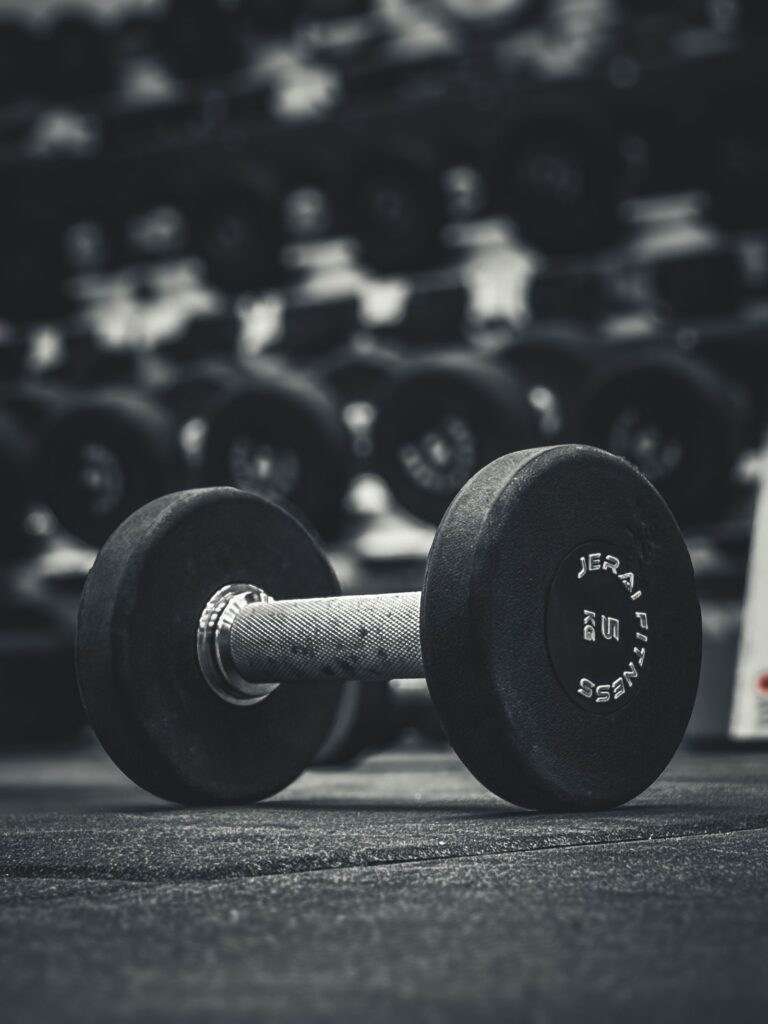

A decade is a significant milestone in any industry, but in the fast-paced, constantly evolving world of fitness, ten years is an eternity. Over the past decade, we have witnessed a monumental shift in how the general public approaches physical health. Driven by globally recognized group fitness programs—such as Les Mills’ iconic BodyPump classes—and the explosive rise of functional fitness and high-intensity interval training, the standard gym-goer’s routine has been completely rewritten. We moved away from the isolation machines and light cardio of the 1990s, returning to heavy, compound barbell movements: the squat, the deadlift, and the clean and press.
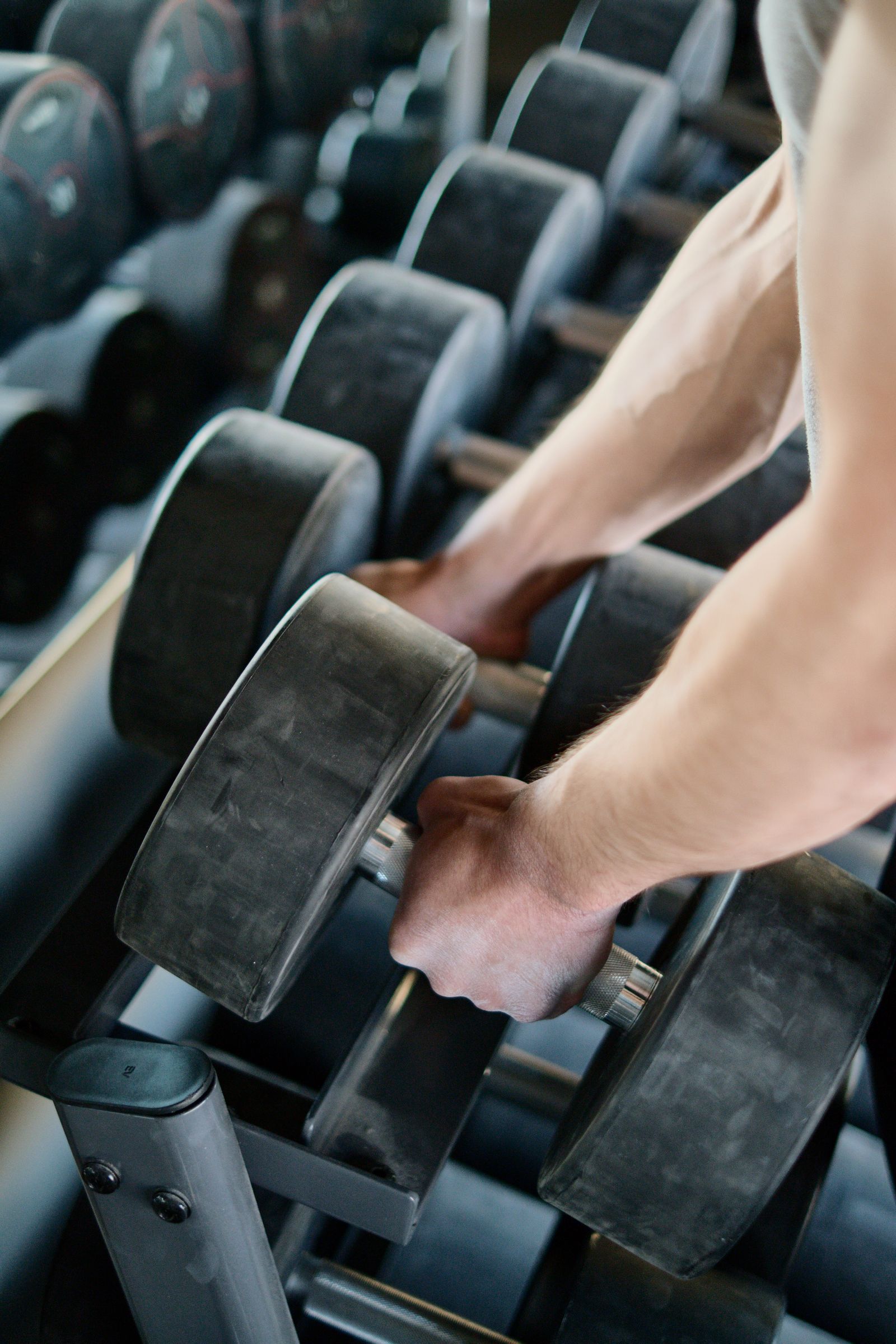
This radical shift in training methodology necessitated an equally radical shift in the gear required to support it. As everyday athletes began lifting loads that were once reserved strictly for competitive powerlifters, the flimsy, neon-colored nylon accessories of the past proved dangerously inadequate. The fitness community needed gear that could withstand immense pressure, resist tearing, and provide absolute, uncompromising biomechanical support. Unsurprisingly, the solution was not found in a modern chemistry lab, but in one of the oldest, most rugged materials known to humanity: heavy-duty leather.
From Aerobics to Heavy Lifting: The Material Shift
When group fitness consisted primarily of step aerobics and light dumbbells, synthetic fabrics were perfectly sufficient. However, as programs evolved to include heavy barbell complexes, the physical demands placed on equipment skyrocketed. A nylon lifting belt might feel comfortable out of the box, but under the strain of a 400-pound deadlift, the synthetic fibers stretch, the Velcro fails, and the critical intra-abdominal pressure is lost, risking catastrophic spinal injury.
Enter the 10mm and 13mm full-grain leather weightlifting belt. This is not a fashion accessory; it is a vital piece of architectural support. A thick, high-quality leather belt acts like a rigid, unyielding wall. When a lifter takes a deep breath and braces their core against the belt, the leather does not give. It locks the spine into a safe, neutral position, allowing the athlete to transfer maximum force safely. In the realm of heavy functional fitness, leather transitioned from a stylistic choice to an absolute biomechanical necessity.
Breaking in the Gear: A Metaphor for Physical Growth
One of the most fascinating aspects of heavy leather fitness gear is the infamous “break-in” period. A brand new, 13mm leather lifting belt is incredibly stiff. It will bruise your hips, pinch your ribs, and feel completely unforgiving. It requires months of heavy, sweaty use for the thick hide to finally break down and mold to the exact anatomical contours of the lifter’s torso. But once broken in, it fits like a custom-made cast.
This process perfectly mirrors the journey of building a strong physique. You cannot rush physical transformation; it requires subjecting the body to uncomfortable stress, recovering, and adapting over a long period. The athlete and the leather belt go through this grueling process together. The result is a piece of equipment that is intimately, permanently customized to the individual who put in the work. It is an aesthetic of earned commitment.
Form Meets Function: The Modern Gym Aesthetic
As functional fitness moved from dingy, underground garage gyms into premium, high-end boutique fitness studios, the aesthetic expectations for gear changed. Today’s athletes want equipment that performs flawlessly on the lifting platform but looks sophisticated enough to carry into a high-end coffee shop or a corporate office. Leather satisfies this demand perfectly.
We are seeing a massive surge in luxury leather gym bags, featuring ventilated shoe compartments and moisture-resistant linings, crafted from rich, full-grain cowhide. Weightlifting straps, traditionally made from cheap cotton webbing that frays and cuts into the wrists, are now being crafted from soft, durable suede and latigo leather, providing superior grip on the barbell while looking incredibly refined. Leather elevates the entire visual experience of the workout.
The Luxury of Recovery
The integration of leather into the fitness world extends beyond the gym floor and into the crucial phase of recovery. High-end fitness studios and luxury health clubs increasingly feature premium leather furnishings—deep, oversized leather chesterfield sofas in the lobby for post-workout decompression, and supple leather upholstery on premium massage and physical therapy tables.
This design choice is highly practical. Leather is naturally antimicrobial (when treated correctly) and can be easily wiped down and sanitized, making it far superior to porous fabrics in a sweaty gym environment. But more importantly, sinking into a cool, smooth leather couch after a grueling, heart-rate-maxing workout feels like a profound reward. It provides a tactile sense of luxury and accomplishment.
Hygiene and Longevity: Caring for Gym Leather
Using leather in a high-intensity fitness environment requires a strict commitment to hygiene and maintenance. Gym leather is exposed to harsh elements: acidic human sweat, abrasive liquid chalk, and the knurling of steel barbells. If left unmaintained, sweat will dry out the leather fibers, causing the gear to become brittle, crack, and eventually snap under tension.
Gym leather must be wiped down with a damp cloth immediately after a heavy session to remove surface salts. More importantly, it requires regular, deep conditioning. Applying a heavy-duty leather conditioner containing beeswax or neatsfoot oil every few weeks will replenish the lost moisture and keep the hide strong, flexible, and safe for heavy lifting. Treat your leather gear with the same respect you treat your joints and muscles, and it will support you for decades.
Conclusion: The Mindset of Quality
Celebrating a decade of functional fitness evolution means celebrating a shift in mindset. We have moved away from quick-fix workout fads and disposable equipment, embracing the reality that true health and strength require a lifelong commitment. Investing in premium leather fitness gear—whether it is a handcrafted weightlifting belt, a durable pair of leather training shoes, or a luxury gym duffel—signals a powerful psychological shift. It says that you are in this for the long haul. You are choosing materials that will last decades to support a body that you intend to keep strong for a lifetime.