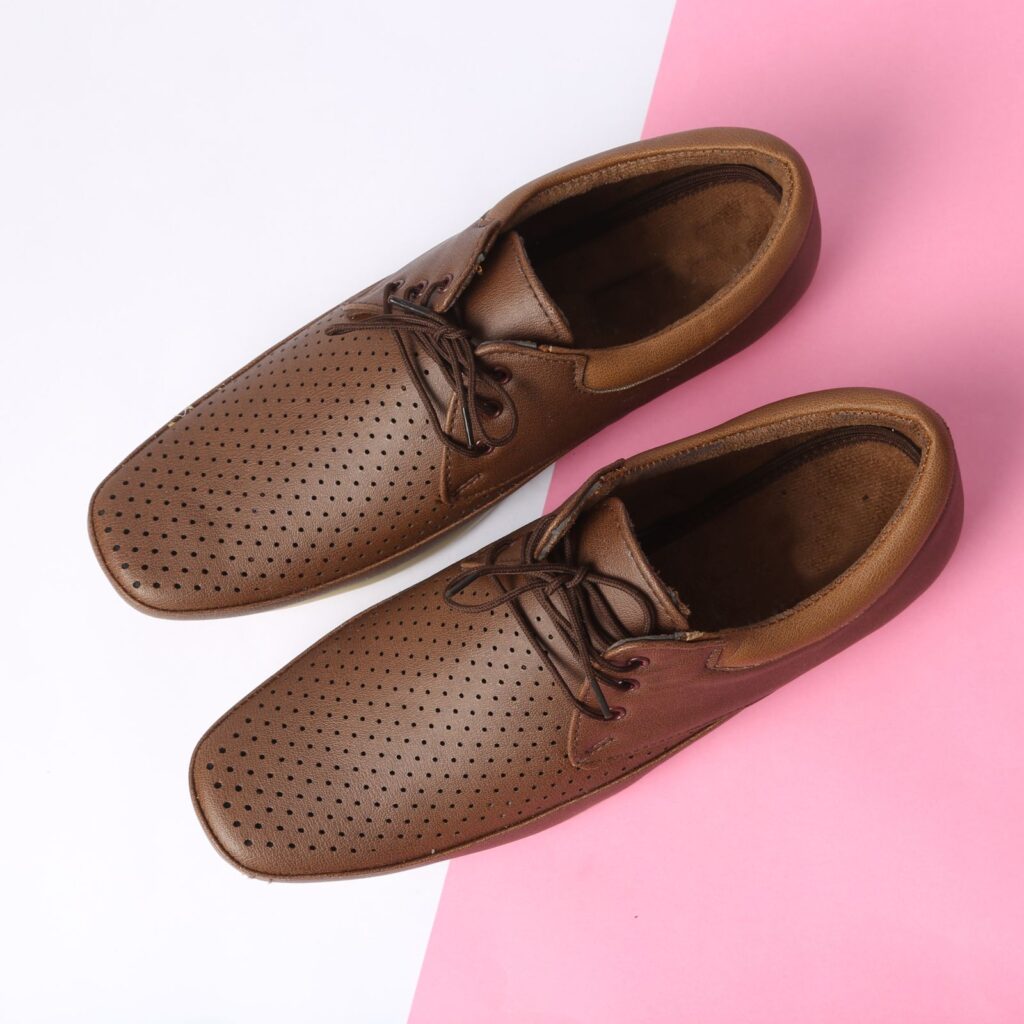

Investing in a high-quality pair of leather shoes is merely the first step in a lifelong relationship between the wearer and the craft. Whether you have just acquired a bespoke pair of Oxford dress shoes, rugged heritage work boots, or premium leather athletic sneakers, the longevity and aesthetic evolution of your footwear depends entirely on the care you provide. Unlike synthetic materials that begin deteriorating the moment they leave the box, leather is a natural, dynamic material. With proper maintenance, leather does not merely survive the passage of time; it improves, developing a rich, personalized patina that tells the story of its wearer’s life.
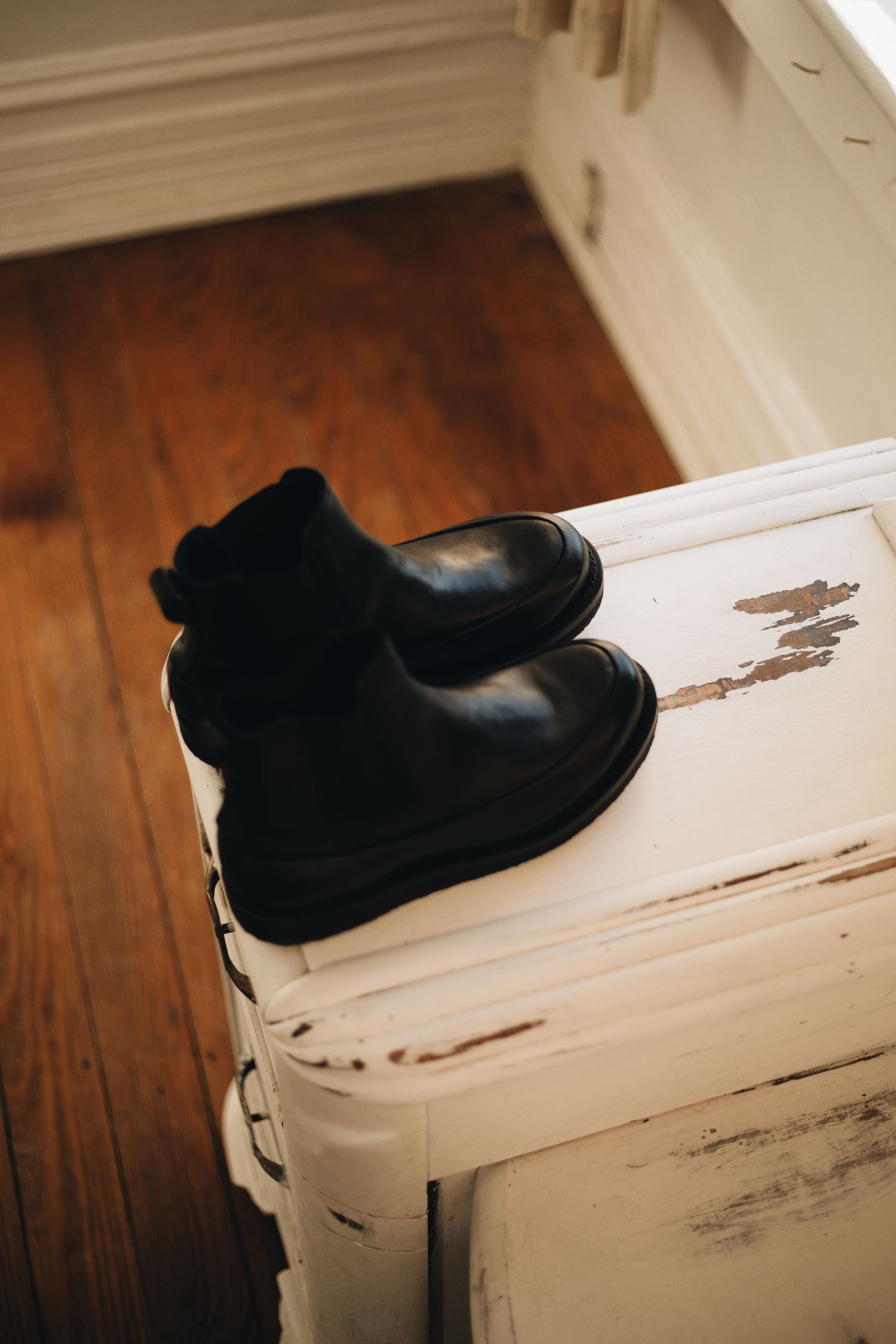
However, leather care is often misunderstood, leading to well-intentioned mistakes that can ruin an otherwise magnificent pair of shoes. This comprehensive guide will demystify the art and science of leather shoe care, taking you through daily maintenance, deep cleaning, conditioning, weatherproofing, and advanced polishing techniques. By the end of this article, you will possess the knowledge required to extend the lifespan of your leather footwear by decades.
Understanding Your Leather
Before applying any product to your shoes, you must first identify the type of leather you are working with, as different hides require vastly different treatments. Full-grain leather, considered the pinnacle of quality, retains the outermost layer of the hide. It is highly breathable, exceptionally durable, and develops a beautiful patina, but it is also porous and requires regular conditioning to prevent drying. Top-grain leather has been sanded to remove imperfections and often given a finish coat; it is more stain-resistant but slightly less breathable than full-grain.
Suede and nubuck represent a completely different category. Suede is crafted from the underside of the hide, resulting in a soft, napped finish, while nubuck is top-grain leather that has been sanded to create a similar texture. Neither should ever be treated with traditional creams or waxes, as these will permanently flatten and ruin the nap. Finally, exotic leathers—such as cordovan (horse hindquarters), alligator, or ostrich—possess unique cellular structures that demand specialized products, particularly cordovan, which requires minimal conditioning and relies on vigorous brushing to bring out its natural oils.
The Essential Shoe Care Toolkit
To properly care for your shoes, you must assemble a dedicated toolkit. At minimum, this kit should include a high-quality horsehair brush. Horsehair is stiff enough to remove dust and dirt but soft enough not to scratch the leather. You will also need unvarnished cedar shoe trees. Shoe trees are arguably the most important investment you can make; they absorb moisture from the lining, neutralize odors, and preserve the structural integrity of the shoe, preventing deep creases from setting in across the vamp.
For cleaning, acquire a dedicated leather cleaner or saddle soap, along with several clean, lint-free cotton chamois cloths. Your conditioning arsenal should feature a premium leather conditioner (often containing lanolin or mink oil). For polishing, you will need a cream polish (which restores color and provides mild nourishment) and a wax polish (which provides a protective barrier and a high-gloss shine). Avoid cheap, instant-shine sponges or liquid polishes, as these often contain silicone and drying alcohols that temporarily look good but ultimately suffocate and crack the leather over time.
The Daily Maintenance Routine
Exceptional leather care is rooted in consistency rather than sporadic, intense interventions. The daily routine is remarkably simple but profoundly effective. At the end of the day, when you remove your shoes, immediately insert your cedar shoe trees. The leather is still warm and pliable from the heat of your feet, making this the optimal time for the shoe tree to smooth out the day’s creases.
Next, take your horsehair brush and give each shoe a vigorous 30-second brushing. This removes the microscopic dust and grit that have settled on the leather throughout the day. If left unattended, this grit acts like fine sandpaper, slowly degrading the leather’s finish every time the shoe flexes. Finally, practice proper rotation. Leather needs time to breathe and expel the moisture it absorbs from your feet. Never wear the same pair of leather shoes two days in a row. A 24-hour resting period between wears will literally double the lifespan of your footwear.
The Deep Cleaning Process
Every few months, or whenever your shoes have accumulated significant grime, it is time for a deep clean. Begin by removing the shoelaces to ensure you can access the tongue and crevices. Insert your shoe trees to provide a firm surface to work against. Brush the shoes thoroughly to remove loose dirt.
Apply a small amount of leather cleaner or saddle soap to a damp cloth or a dedicated dauber brush. Work the cleaner into a rich lather and apply it to the leather in small, circular motions. The lather will lift embedded dirt, old polish, and accumulated oils from the pores. Do not soak the leather; use only as much water as necessary to generate the lather. Once the shoe is clean, wipe away the excess soap with a clean, damp cloth. Allow the shoes to air dry naturally at room temperature. Never place leather shoes near a radiator, heater, or open flame to speed up the drying process. Artificial heat will literally cook the leather, causing it to shrink, harden, and crack irreparably.
Conditioning for Longevity
Leather is essentially skin, and just like human skin, it loses its natural oils over time, especially after being exposed to the elements or undergoing a deep clean. Conditioning replaces these vital oils, keeping the leather supple and preventing structural failure. Once your shoes are completely dry from cleaning, it is time to condition.
Apply a small, dime-sized amount of premium leather conditioner to a cotton cloth. Massage it into the leather using firm, circular motions, ensuring you cover every inch, including the tongue and the welt (the seam where the upper meets the sole). The leather will darken slightly as it absorbs the moisture. Allow the conditioner to soak in for at least twenty minutes—or ideally, overnight. Afterward, take your horsehair brush and vigorously brush the shoe. This removes any excess conditioner that hasn’t absorbed and brings out a soft, natural luster.
Weatherproofing and Protection
If you live in an area with harsh winters, rain, or snow, weatherproofing is non-negotiable. Winter salt is the mortal enemy of leather; it draws out moisture at an alarming rate and creates permanent, blistered stains if left unchecked. To protect your shoes, apply a thin, even layer of wax polish or a dedicated weatherproofing dubbin after conditioning.
Wax creates a physical barrier over the pores of the leather, causing water to bead up and roll off rather than soaking in. However, use wax sparingly on the vamp (the area behind the toes that flexes when you walk), as thick layers of wax will crack and flake off in high-movement areas. If your shoes do succumb to salt stains, treat them immediately with a mixture of equal parts white vinegar and water. Gently dab the solution onto the stains to neutralize the salt, then wipe clean with a damp cloth and re-condition.
Polishing for Presentation
Polishing is the final step, elevating a well-cared-for shoe into a work of art. There are two primary types of polish: cream and wax. Cream polish is heavily pigmented and excellent for restoring scuffs and faded color. It also contains conditioning properties. Apply it sparingly with a cloth, let it dry for five minutes, and brush it out.
Wax polish is used to achieve the coveted “mirror shine.” Focus your wax application on the hard, non-flexing parts of the shoe: the toe cap and the heel counter. Apply a minimal amount of wax using a slightly damp cloth, rubbing it in tiny, rapid circles. The friction generates heat, melting the wax into a smooth, glass-like layer. It takes practice and patience, but the resulting military-grade shine is a hallmark of sartorial excellence.
Caring for the Soles
While we obsess over the uppers, the soles bear the brunt of our daily journeys. If your shoes feature leather soles, they too require maintenance. A leather sole conditioner (often called sole guard) can be applied every few months to keep the leather from drying out and cracking, significantly extending the time between resoling. Avoid wearing leather-soled shoes in heavy rain, as wet leather wears down exponentially faster than dry leather. If you are frequently caught in the rain, consider having a cobbler apply a thin rubber topy (sole protector) to the forepart of the shoe.
Conclusion
The ritual of leather shoe care is a meditative, rewarding practice. It demands patience, consistency, and a respect for craftsmanship. By committing to the routines outlined in this guide—using shoe trees, brushing daily, resting your pairs, and undertaking regular cleaning and conditioning sessions—you ensure that your footwear will not only survive the rigors of daily life but will grow more beautiful with every passing year. Quality leather goods are an investment, and with proper care, they yield a lifetime of dividends.