

When discussing the pantheon of 1990s hip-hop, few groups cast a shadow as long and distinct as Cypress Hill. With their trippy, psychedelic beats, B-Real’s instantly recognizable nasal delivery, and Sen Dog’s booming, aggressive ad-libs, they carved out a sonic territory that was entirely their own. But Cypress Hill’s influence extended far beyond their multi-platinum albums; they were visual pioneers as well. Blending the grit of Los Angeles street culture with elements of punk, skate, and lowrider aesthetics, their style was a cultural collision. And at the absolute center of this visual identity was a deep, uncompromising commitment to leather.
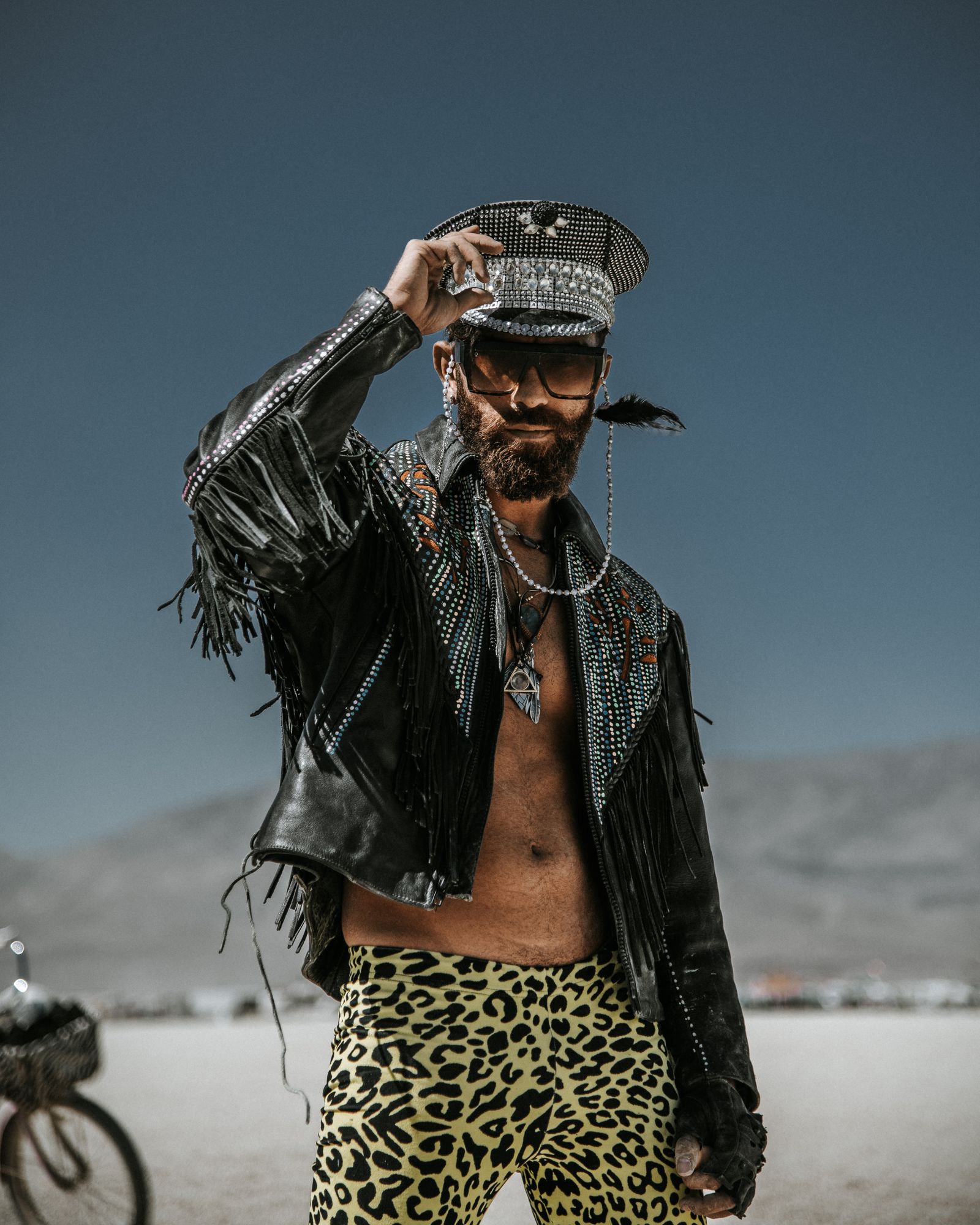
From their earliest underground club performances to headlining massive global festivals, leather jackets, vests, and heavy boots were a constant. Cypress Hill didn’t just wear leather; they lived in it. But maintaining leather clothing under the grueling, sweat-soaked, smoke-filled reality of endless world tours is a monumental task. By examining how this legendary group rocked their leather, we uncover a masterclass in heavy-duty leather care and the art of keeping hard-wearing garments pristine over decades.
The West Coast Aesthetic: Flannel, Denim, and Heavy Leather
The early 90s West Coast hip-hop aesthetic is often remembered for khaki suits, crisp white tees, and Chuck Taylors. While Cypress Hill certainly incorporated these elements, they brought a darker, more utilitarian edge to the scene. Their look often layered heavy, dark leather over classic streetwear. A thick cowhide motorcycle jacket worn over a flannel shirt became a defining silhouette.
This choice of material was highly deliberate. Leather communicated a rugged permanence and an armor-like toughness that perfectly matched the hardcore realities detailed in their lyrics. Moreover, it was a material that rebelled against the flashy, sequined, highly produced pop-rap aesthetic that was beginning to emerge. Leather was honest, raw, and authentic. The group proved that quality leather stays relevant and grounded, no matter how wildly fashion trends swing from one extreme to another.
Leather in the Elements: Smoke, Sweat, and Stages
To understand the toll touring takes on clothing, you have to picture the environment. A Cypress Hill concert is a high-energy, high-temperature event. The artists are in constant motion under blazing, hot stage lights for hours. Add to this the atmospheric elements—the dense smoke, the spilled drinks, the shifting humidity of traveling from a humid Florida summer gig to a dry, freezing European winter tour.
For a leather jacket, this environment is a worst-case scenario. Leather is highly porous. It absorbs smoke odors deeply into its fibers. Sweat, which contains salts and natural body oils, saturates the lining and pulls moisture out of the hide, leading to rapid drying, stiffness, and eventual cracking. If you take a heavy leather jacket on a world tour and do nothing to care for it, it will be destroyed in a matter of months.
Maintenance on the Road: The Survival Regimen
Keeping leather performance-ready through years of touring requires a stringent survival regimen. The techniques required to keep stage gear pristine translate directly to anyone wanting to preserve a heavy-use leather garment.
First is the critical step of airing out. After a heavy wear, leather must never be thrown into a pile or zipped tightly into a plastic garment bag. It needs to breathe. Hanging a sweat-soaked leather jacket on a broad, structured wooden hanger in a well-ventilated room allows the moisture to evaporate naturally without warping the shoulder structure. Odor management is equally important; a light misting of a specialized, gentle fabric deodorizer on the *inner lining* (never directly on the leather exterior) helps combat the lingering scent of smoke and stage sweat.
Second is surface cleaning. On the road, there isn’t always time for a deep saddle-soap wash. Instead, quick wipe-downs with a slightly damp microfiber cloth remove the surface grime, ash, and dirt before they can settle into the pores. Finally, rapid conditioning is vital. Heavy-duty garments require heavy-duty conditioners, like those containing beeswax or mink oil, which not only moisturize but also provide a protective barrier against future moisture and environmental damage. A quick buff with a horsehair brush after conditioning brings the jacket back to life, ready for the next city.
The Evolution of Their Look: From Street to Custom Couture
As Cypress Hill’s record sales skyrocketed and they solidified their status as global icons, their leather wardrobe evolved. They transitioned from off-the-rack vintage motorcycle jackets to highly customized, bespoke leather suits and outerwear. They began experimenting with different textures, embossed logos, and tailored fits that offered greater mobility on stage without sacrificing the hardcore aesthetic.
This evolution highlights a beautiful aspect of leather fashion: it scales with you. A basic leather jacket is perfect for the underground days, but the material is versatile enough to be elevated into high-fashion, custom-tailored luxury. The best leather artisans know that the material can be pushed, molded, and refined into almost any shape, bridging the gap between street culture and high-end design.
Cultural Impact: Inspiring a Generation
Cypress Hill didn’t just participate in a fashion trend; they were the catalyst for one. Their massive crossover appeal—bridging hip-hop, alternative rock, and skate cultures—meant their fashion choices were broadcast to a highly diverse audience. When fans saw B-Real or Sen Dog dominating a music video in a pristine leather jacket, it sparked a desire to replicate that powerful, rebellious look.
They helped cement the heavy leather jacket as a staple in the urban streetwear wardrobe. It wasn’t just for bikers or punks anymore; it belonged to anyone who wanted to project strength and authenticity. This cultural impact is a testament to the fact that when leather is worn with absolute confidence and maintained with visible care, it becomes highly aspirational.
Restoring Vintage Leather: The Hip-Hop Way
Today, vintage 90s leather pieces—the exact styles worn by Cypress Hill in their prime—are highly sought after by collectors and fashion enthusiasts. The key to capturing that authentic 90s aesthetic is knowing how to restore vintage leather. If you score a heavy, 30-year-old cowhide jacket, the restoration process involves deep cleaning with saddle soap to remove decades of grime, followed by multiple rounds of intense, slow-absorbing conditioning to resurrect the dried-out fibers. When done correctly, you aren’t just restoring a jacket; you are resurrecting a piece of cultural history.
Conclusion: The Legacy of Cypress Hill and Leather
Decades after their groundbreaking debut, Cypress Hill remains active, relevant, and iconic. Their music is permanently etched into the foundation of hip-hop, and their visual legacy—clad in heavy, well-maintained leather—is equally enduring.
The lessons embedded in their approach to fashion are timeless. Invest in heavy-duty, high-quality materials. Learn the proper care techniques to protect them against the harshest elements. And understand that true style doesn’t require chasing fleeting trends; it requires committing to a powerful aesthetic and maintaining it meticulously. Cypress Hill proved that with the right attitude and the right care regimen, quality leather doesn’t just survive the test of time—it becomes legendary.