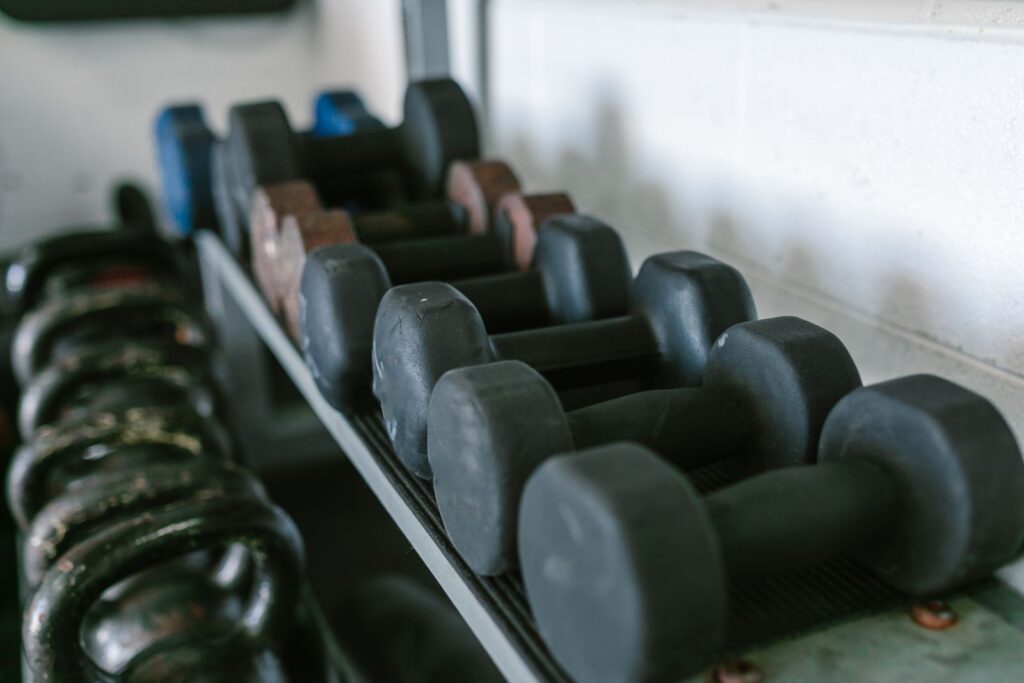

The modern fitness landscape is dominated by high-tech synthetics. Walk into any premium gym today, and you are surrounded by moisture-wicking polymers, carbon-fiber composites, and neon-colored plastics promising marginal gains in performance. Yet, amidst this sea of laboratory-engineered materials, one ancient, organic material refuses to be rendered obsolete. In fact, it remains the absolute gold standard for serious athletes. That material is leather. From the golden age of bodybuilding to the digital era of connected fitness apps like Reebok’s original FitList, leather has maintained its position at the pinnacle of athletic equipment.
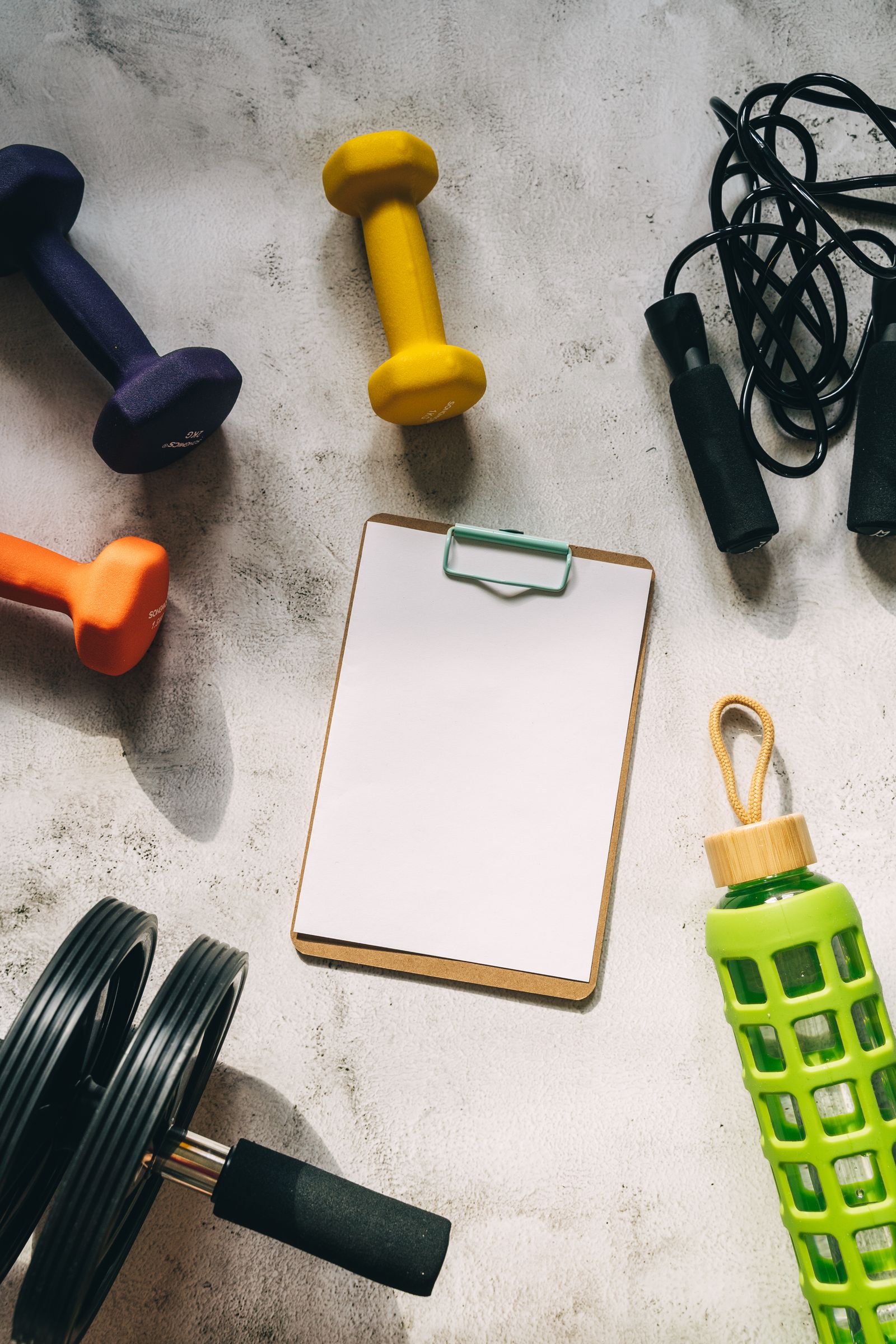
Why does a material used by ancient gladiators still hold court in the modern gym? The answer lies in an unreplicable combination of biomechanical support, extreme durability, and the psychological edge provided by premium craftsmanship. Understanding how to integrate and care for leather fitness gear is essential for anyone looking to elevate their training from a casual hobby to a lifelong, serious pursuit.
The Evolution of Workout Gear
To appreciate leather’s place in the gym, we must look at the evolution of athletic equipment. Early 20th-century gymnasiums relied heavily on natural materials: canvas, heavy cotton, cast iron, and leather. Medicine balls were hand-stitched leather spheres stuffed with sand; jump ropes were solid leather cords; and boxing gloves were crafted from thick, unyielding cowhide.
As the fitness boom exploded in the late 20th century, manufacturers pivoted to cheaper, mass-produced plastics and nylons. These materials were lightweight and cost-effective, but they lacked soul and, more importantly, longevity. A nylon lifting belt frays and loses its structural integrity under heavy loads. A plastic jump rope snaps. But heavy-duty leather equipment? It survives. Today, we are witnessing a massive resurgence of heritage materials in the fitness space, as athletes reject disposable gear in favor of premium, lifetime-quality leather accessories.
Leather in the Gym: The Tools of the Trade
The most iconic piece of leather fitness equipment is undoubtedly the weightlifting belt. When an athlete is squatting or deadlifting hundreds of pounds, the belt’s purpose is to provide a rigid wall for the abdominal muscles to brace against, stabilizing the spine. A thick, 10mm or 13mm full-grain leather belt provides unparalleled intra-abdominal pressure. Unlike synthetic belts that stretch and give under maximum load, a high-quality leather belt is virtually indestructible. More importantly, after a grueling break-in period, the leather permanently molds to the exact contours of the lifter’s torso, providing a bespoke, custom fit that synthetic foam simply cannot replicate.
Beyond the lifting platform, leather remains essential. Premium jump ropes still utilize solid leather cords because leather provides the perfect weight and aerodynamic drag for rhythmic, sustained skipping. Boxing and MMA gloves rely on top-grain leather because it absorbs and distributes the kinetic energy of a strike better than vinyl, while also resisting the tearing forces of heavy bag work.
Enclothed Cognition: The Psychology of Premium Gear
There is a recognized psychological phenomenon known as “enclothed cognition,” which suggests that the clothing and equipment we use subconsciously influence our psychological state and performance. Putting on cheap, flimsy gym gear signals to your brain a casual, low-stakes environment.
Conversely, strapping on a heavy, meticulously crafted leather weightlifting belt, or slinging a premium leather gym duffel over your shoulder, triggers a profound mental shift. The weight, the smell, and the tactile feedback of the leather command respect. It signals to your central nervous system that it is time to work hard. The gear feels serious, which makes you take the workout seriously. This psychological edge is why many elite athletes consider their leather gear to be an integral part of their pre-workout ritual.
The Athleisure Revolution and the Leather Gym Bag
The boundary between the gym and daily life has largely dissolved. The rise of “athleisure” means that people are transitioning directly from the boardroom to the squat rack to the coffee shop. Carrying a neon, logo-plastered nylon sack into a professional environment breaks this seamless transition.
Enter the luxury leather gym bag. A well-crafted full-grain leather duffel bag solves this modern dilemma. It provides the necessary volume and functional compartments for sneakers and gym clothes, while projecting an aesthetic of sophisticated professionalism. It bridges the gap perfectly, proving that athletic functionality does not require sacrificing adult sartorial standards. Leather’s crossover appeal makes it the ultimate utility material for the modern, active lifestyle.
Sweat, Salt, and Maintenance: Caring for Gym Leather
Bringing leather into the gym introduces a severe environmental threat: human sweat. Sweat is highly acidic and packed with salts that will rapidly dry out, stiffen, and rot natural leather fibers if ignored. Therefore, owning leather fitness gear requires a dedicated maintenance protocol.
After a heavy workout, a leather lifting belt or medicine ball should never be tossed into the trunk of a hot car or left to ferment inside a closed gym bag. It must be wiped down with a clean, damp cloth to remove the surface salts and allowed to air-dry in a well-ventilated space. Once a month, the leather must be treated with a heavy-duty leather conditioner—preferably one containing natural beeswax or neatsfoot oil. This replenishes the moisture stripped away by the salt and creates a protective barrier against future sweat absorption. With this simple routine, a leather belt will last multiple decades.
The Aesthetics of Commitment
Ultimately, the appeal of leather in the fitness world comes down to what it represents. A brand new leather lifting belt is stiff, uncomfortable, and unmarked. But a belt that has been used for five years is a completely different object. It is darkened by sweat, scarred by the knurling of heavy barbells, and perfectly shaped to the owner’s body. It becomes a physical ledger of hundreds of hours of hard work, discipline, and failure.
A beautifully aged piece of leather gym equipment is a badge of honor. It proves that you didn’t quit. In an industry obsessed with quick fixes and 30-day transformations, choosing leather is a declaration that you understand true progress takes years. You are investing in a material that is built for the long haul, mirroring the lifelong commitment required to build genuine physical strength.