

Look around you. In our modern, hyper-industrialized world, almost everything we interact with on a daily basis—plastics, synthetic meshes, carbon fiber, tempered glass—was invented within the last one hundred and fifty years. Yet, resting in your pocket, wrapped around your waist, or covering your feet is a material that predates the wheel, predates agriculture, and predates written language. From prehistoric, windswept shelters to the aggressively lit runways of modern fashion capitals like Milan and Paris, leather has accompanied humanity through every single chapter of our collective story. No other material on Earth can claim such a massive, continuous presence across civilizations, continents, and millennia.
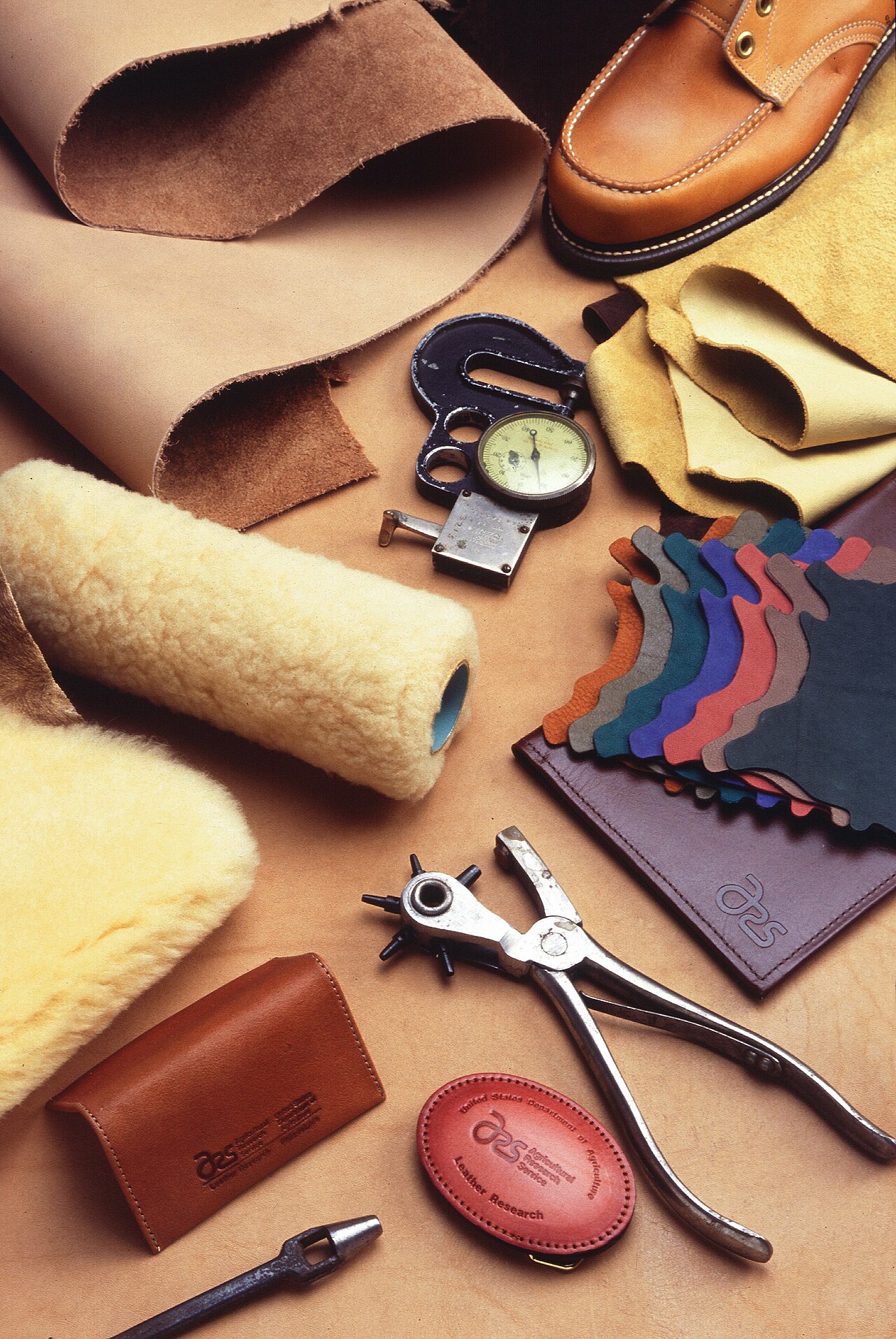
Understanding leather’s deep historical journey illuminates much more than just a material’s evolution. It illuminates our own evolution—the constantly shifting ways we have related to the natural world, our relentless drive to innovate through craft, and the profound ways we assign value to the objects that define our daily lives. To understand leather is to understand human history.
Ancient Origins: The Architecture of Survival
Our earliest ancestors relied absolutely on animal hides for basic survival. Before the concept of permanent settlement existed, there was leather—providing essential warmth, brutal protection, and critical mobility in harsh, unforgiving environments that would have otherwise been uninhabitable. Crude shoes fashioned from thick animal skins allowed early humans to traverse sharp, rocky terrain and freezing snowscapes. Hide tents provided movable, windproof shelter against devastating elements. Leather bags, stitched with sinew, made it possible to carry gathered food, heavy tools, and precious water across the vast distances that defined the nomadic life.
In these ancient societies, working leather was a vital, respected marker of skill and status. Transforming a raw, decaying hide into a supple, durable material required deep knowledge passed down orally through generations. Early humans utilized brain tanning, smoke curing, and natural fats to preserve the hides. Communities that possessed skilled leatherworkers held massive material advantages over those that did not, making the craft not just economically valuable, but socially foundational. To master leather was to master survival.
Medieval Mastery: The Rise of the Guilds
By the time humanity reached the Middle Ages, the application of leather had evolved significantly from mere survival necessity to a highly refined artistic and military medium. Knights famously wore hardened leather armor (cuir bouilli) into battle; it was vastly lighter and exponentially more flexible than full plate steel, allowing for the rapid mobility that close-quarters combat demanded. Meanwhile, in the quiet cloisters of monasteries, artisans developed brilliant techniques for tooling intricate, gold-leafed patterns into heavy leather bookbindings, producing illuminated manuscripts that combined supreme function and breathtaking beauty.
It was during this period that the guild system formalized leather craftsmanship across Europe. These guilds established incredibly strict apprenticeship structures that ensured absolute quality control and protected the transmission of knowledge. The tanners, the saddlers, the glovers, and the cordwainers (shoemakers) represented some of the most wealthy and politically powerful economic institutions of their time. Their devotion to heritage and quality persists today in the exacting terminology and traditional techniques that modern bespoke leatherworkers still employ.
The Industrial Revolution and the Chrome Era
For thousands of years, all leather was “vegetable-tanned”—a painstakingly slow process utilizing the natural tannins found in tree bark and leaves, requiring hides to steep in vats for months. But the massive population explosions and military demands of the Industrial Revolution required a faster method. In the mid-19th century, the process of chrome tanning was invented. Utilizing chromium salts, a hide could be fully tanned in a matter of hours rather than months. It produced a leather that was softer, more heat-resistant, and significantly cheaper to produce.
This innovation democratized leather, making it available to the masses for shoes, belts, and jackets. However, it also initiated a shift away from the artisanal, generational approach to leather goods, pushing the material into the realm of mass-produced, fast fashion. It was a trade-off: unparalleled accessibility at the cost of the deep, enduring character unique to traditional veg-tan.
The Environmental Impact: An Honest Accounting
Producing leather on a massive, global scale does significantly impact the environment. The modern chrome tanning process requires vast amounts of water, heavy energy usage, and harsh chemical treatments. Furthermore, the reliance on livestock agriculture contributes heavily to land use, deforestation, and greenhouse gas emissions. Honest engagement with these harsh realities is absolutely essential for anyone who values both high-quality leather and environmental responsibility.
Fortunately, the industry is responding aggressively with increasingly sustainable practices. The Leather Working Group (LWG) now strictly audits and certifies tanneries worldwide for their environmental compliance, drastically reducing water usage and chemical runoff. Many premium luxury brands are actively returning to their roots, demanding traditional vegetable-tanned leathers that bypass heavy metals entirely. While lab-grown leathers and plant-based alternatives (derived from pineapple leaves, mushrooms, or cactus fibers) are exciting innovations, they often rely on plastic polymer binders to achieve durability, meaning they carry their own hidden environmental trade-offs.
The Future: Less But Better
The most ethically and environmentally responsible relationship a consumer can have with leather today may actually be the simplest, oldest philosophy: buy less, buy better, and maintain what you own.
A single, high-quality, full-grain leather boot or jacket, properly conditioned and cared for over twenty years, represents a dramatically smaller environmental footprint than the endless, depressing series of synthetic, plastic replacements that would be required to provide the same service over the same time period. True sustainability is found in longevity.
Leather’s story perfectly mirrors the human story—an enduring, resilient material that has evolved alongside us, shaping and being shaped by our constantly changing needs, technologies, and moral values. As we move forward into a highly digital, increasingly synthetic future, leather’s honest, unyielding materiality is not a weakness, but its absolute greatest asset. In a world of fleeting digital illusions, leather remains gloriously, undeniably real.