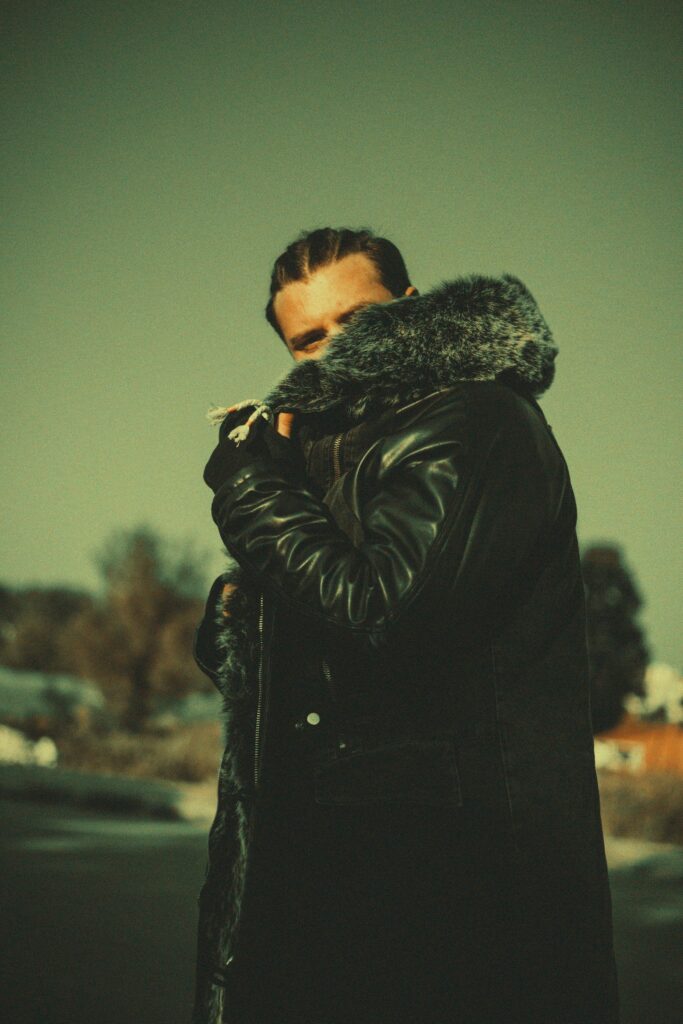

When chronicling the history of hip-hop fashion, the conversation inevitably arrives at the doorstep of the Wu-Tang Clan. And within that legendary nine-man collective, Corey Woods—better known to the world as Raekwon the Chef—stands out as one of the culture’s most influential, forward-thinking sartorial pioneers. Raekwon didn’t just cook up some of the most intricate, cinematic crime-rhymes of the 1990s; he constructed an entirely original visual identity that permanently altered how the streets interacted with luxury. While he famously championed high-end sportswear, his most profound and continuously evolving fashion statements were made using a single, uncompromising material: leather.
From his gritty, early appearances in the grimy videos of 1993 to decades of high-fashion reinvention on global stages, Raekwon utilized leather not just as clothing, but as a dynamic canvas for artistic expression. He demonstrated that leather possesses a chameleon-like quality, capable of carrying as many meanings—from street-level armor to bespoke luxury—as the visionary wearing it desires.
The Rebel’s Material: Armor in the Streets
When Raekwon and the Wu-Tang Clan first emerged from Staten Island (famously dubbed “Shaolin”), hip-hop was still actively defining its visual vocabulary. The prevailing trends leaned heavily toward oversized athletic wear and bright, primary colors. Raekwon, however, took a different approach. He integrated heavy, dark leather into his daily uniform. Studded jackets, thick motorcycle-cut pants, and formidable leather boots—every piece announced that its wearer operated by a different, harsher set of rules.
By choosing a material historically associated with biker gangs, punk rockers, and cultural outsiders, Raekwon was making a deliberate, aggressive statement about independence. This strategic use of leather’s inherent cultural associations highlights a fundamental truth about the material: leather communicates before you even speak. The sheer weight of the hide, its distinct smell, and the rigid way it structures a human silhouette all project toughness, endurance, and permanence. Raekwon understood this psychological impact instinctively, building his foundational visual identity upon it.
The Snow Beach Era to High Fashion Leather
Raekwon is widely credited with bringing Ralph Lauren’s “Snow Beach” pullover and heavy Timberland boots to the forefront of urban fashion, a moment that proved his unmatched eye for mixing rugged utility with aspirational branding. But as his career progressed following the monumental success of his solo masterpiece, Only Built 4 Cuban Linx…, his leather wardrobe underwent a spectacular evolution. Most performers find a successful “look” and become permanently trapped within it. Raekwon, true to his moniker, kept cooking up new recipes.
He transitioned from standard black outerwear to jaw-dropping custom leather pieces. He began appearing in fully tailored, monochromatic leather suits in deep crimson reds, electric blues, and stark whites. This evolution mirrors how the finest leather itself develops; it starts raw and full of potential, but through careful crafting and bold decision-making, it transforms into an undeniable luxury item. Raekwon showed that staying true to your roots while relentlessly pushing the boundaries of your aesthetic produces a style that is both universally respected and impossible to duplicate.
Leather as a Canvas for Art
As Raekwon’s confidence and budget grew, so did his sartorial experiments. He moved beyond simply wearing leather to treating the material as a fine art medium. He collaborated with legendary NYC custom tailors—heavily influenced by the bespoke streetwear culture pioneered by icons like Dapper Dan in Harlem—to create garments that existed nowhere else on earth.
He wore leather shirts featuring elaborate, hand-painted artwork and thick leather jackets boasting heavy, intricate embroidery. Each piece was a painstaking collaboration between his cinematic vision and a master tailor’s technical skill. This approach deeply echoes the work of the world’s most adventurous leather artisans, who push beyond traditional belts and wallets to explore the absolute limits of what animal hide can express. It proved that custom leather goods represent the ultimate meeting point between a patron’s imagination and a craftsperson’s legendary expertise.
Stage Presence: The Physics of Leather and Light
To fully appreciate Raekwon’s leather aesthetic, one must see it in its natural habitat: the live stage. Under the intense glare of concert lighting, leather behaves unlike any synthetic fabric. It is not a passive material. The natural sheen of a polished leather jacket catches and fractures the stage lights with every aggressive gesture of the performer.
It creates a dynamic, shifting visual surface that dramatically reinforces the chaotic energy of a live hip-hop show. The heavy material absorbs the bass frequencies and moves with a deliberate, heavy swing. Raekwon understood this inherent theatricality. A leather jacket hanging silently in a closet is merely a garment; that same jacket draped over a moving, sweating MC commanding a crowd of thousands is a visual weapon. His legendary performances made this distinction vivid for millions of viewers worldwide.
Caring for the Canvas: Maintaining Colored Leather
Raekwon’s pivot to vibrantly colored and painted leathers introduces a critical lesson in leather maintenance. Black and brown leathers are relatively forgiving, but bright reds, blues, and whites require specialized care to maintain their vibrancy and prevent the dye from fading or bleeding. Colored leathers must be kept out of prolonged direct sunlight to prevent UV bleaching. When cleaning them, harsh saddle soaps must be avoided; instead, gentle, pH-balanced leather cleaners are required so as not to strip the delicate surface dyes. Furthermore, conditioning must be done with neutral, non-darkening creams, ensuring that the custom colors remain as explosive as the day they were stitched together.
The Enduring Impact
Raekwon’s stylistic journey—from a raw, rebellious youth in Shaolin to a global innovator and elder statesman of hip-hop—demonstrates the extraordinary, limitless range of leather. He proved beyond a shadow of a doubt that leather can be aggressive or elegant, street-smart or couture-ready, deeply traditional or wildly avant-garde. It all depends entirely on the vision, confidence, and swagger of the person wearing it.
Creatives, designers, and musicians today continue to mine Raekwon’s archival looks for inspiration, recognizing that his use of leather played a central, undeniable role in shaping a cultural legacy that extends far beyond music. The next time you see a brilliantly colored, custom leather jacket catching the light on a fashion runway or a concert stage, recognize what you are witnessing: the enduring ripple effect of an artist who understood that great materials, when pushed to their creative limits, reward great ambition with timelessness.