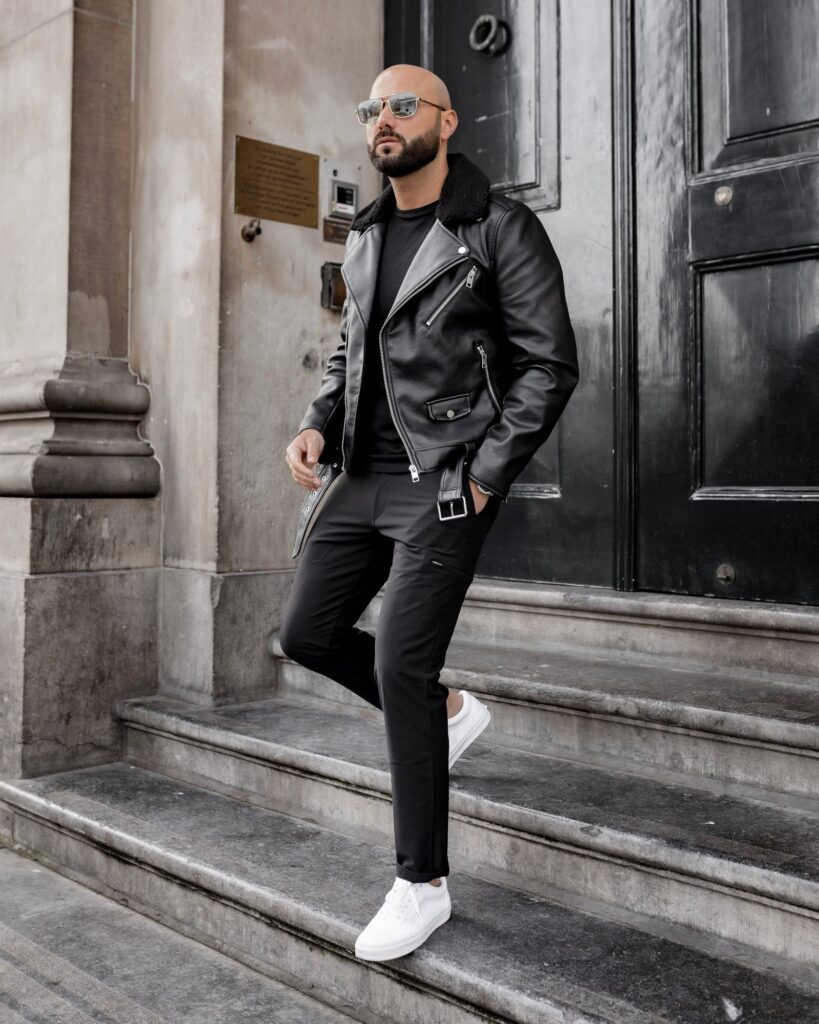

Few cultural forces have shaped the landscape of modern global fashion as powerfully and permanently as hip-hop. And within that visual vocabulary, few materials have been as central, as communicative, and as revered as leather. From the genre’s earliest, breakbeat-driven days in the Bronx, leather has served as both physical armor and a bold artistic statement—a material that communicates unyielding toughness, vast ambition, and a flat-out refusal to settle for the ordinary. Legendary producers and artists like Swizz Beatz have played an outsized, visionary role in this story, leveraging their massive cultural influence to transform leather from a purely functional material into a global symbol of creative authority.

Understanding leather’s deep, historical place in hip-hop fashion requires looking far beyond individual garments or passing seasonal trends. Leather’s meteoric rise in hip-hop is a story about aspiration, community identity, and the relentless demand for authenticity—themes that define both the music itself and the fiercely protective culture that created it.
The Producer as Designer and Tastemaker
Music producers occupy a highly unique position in fashion culture. Unlike front-facing performers, whose style choices are often heavily mediated by professional stylists and corporate brand partnerships, producers tend to operate behind the scenes, allowing them to develop personal aesthetics that reflect genuine, organic taste rather than calculated marketing strategies. When a super-producer of Swizz Beatz’s immense stature consistently champions leather—specifically premium leather sneakers, heavily detailed leather jackets, and bespoke leather accessories—the message carries a weight of authenticity that resonates deeply with audiences.
Swizz Beatz’s groundbreaking collaborations with global athletic brands, notably during the era that produced high-top, heavily strapped silhouettes, exemplified this dynamic perfectly. Rather than simply endorsing an existing, cheaply made product, he stepped into the role of creative director. He actively contributed to the design process—selecting premium materials, demanding higher-grade leathers, proposing radical colorways, and insisting on a level of construction quality that matched his exacting personal standards. The resulting products carried profound credibility within sneaker culture precisely because they reflected a genuine creative vision and utilized real, substantial materials.
The Sneaker Collab Era: Elevating Athletic Wear
Prior to the heavy involvement of hip-hop artists in footwear design, athletic sneakers were largely viewed as utilitarian objects, often mass-produced using cheap synthetic meshes and glued-together plastics. The hip-hop community, led by figures like Swizz Beatz, changed this paradigm entirely. They demanded luxury. They insisted that sneakers be treated with the same material respect as high-end Italian dress shoes.
This meant integrating full-grain leathers, exotic embossed prints, and buttery soft nubucks into basketball and tennis silhouettes. This elevation of athletic wear fundamentally birthed modern “sneakerhead” culture. It established a new reality where a leather high-top sneaker could legitimately be worn to a red carpet event or a high-end restaurant, successfully bridging the massive gap between streetwear and European luxury.
NYC Street Style: Function Meets Form
New York City, the indisputable birthplace of hip-hop, has always maintained a highly particular, intensely pragmatic relationship with leather fashion. The city’s brutally harsh, freezing winters make heavy leather outerwear a literal survival necessity. Its status-conscious, highly competitive culture makes quality leather goods fiercely aspirational. And its dense, creative communities—from Harlem to the Bronx to Brooklyn—have consistently used leather as a medium for unapologetic personal expression.
The NYC leather aesthetic differs from other fashion capitals (like Milan or Paris) in its heavy emphasis on durability and function alongside style. New Yorkers walk; they do not drive. Therefore, their leather shoes need to perform flawlessly on miles of abrasive concrete. They commute by crowded subway, so their leather bags need to withstand crushing impacts without tearing. They experience genuine, freezing seasons, so their leather jackets need to provide actual, impenetrable warmth. This functional foundation gives New York leather fashion a gritty authenticity that purely aspirational markets deeply lack.
Collecting and Preserving: The Culture of Care
With the elevation of leather sneakers and jackets came a profound shift in how the culture treated its garments. The care lavished on these leather goods—meticulous cleaning with specialized brushes, the application of protective waterproof sprays, and dedicated, climate-controlled storage—elevated maintenance from a mundane chore to an absolute ritual. Keeping your leather pristine was a sign of self-respect.
This culture of care aligns perfectly with the traditions of high-end leather artisanship. Sneakerheads and hip-hop fashion aficionados understand that premium leather is an investment. It requires wiping away the corrosive city grit, avoiding deep scuffs, and ensuring the material doesn’t dry out and crack. This respect for the material ensures that these pieces don’t just last a season; they last a lifetime, often being archived and passed down.
The Legacy Continues
Hip-hop’s massive, undeniable influence on leather fashion shows no sign of diminishing. Each new generation of artists brings fresh interpretations and radical new applications to the material, ensuring that leather remains highly dynamic rather than static within the culture. The fusion of music production, visual art, and leather design continues to produce innovative products that push the absolute boundaries of what leather can be.
At its absolute core, leather’s enduring supremacy in hip-hop fashion reflects the exact same values that drive the music itself: a relentless commitment to quality, a deep respect for historical craft, and an unshakeable belief that the things you create and carry should boldly reflect who you truly are. In a culture built entirely on authenticity, leather—real, heavy, irreplaceable leather—will always rule.